The pigeon’s digestive system is specially adapted for a grain-eating diet and is efficient in processing food quickly. Digestion begins in the beak, where the pigeon picks up food but does not chew it, as pigeons lack teeth.
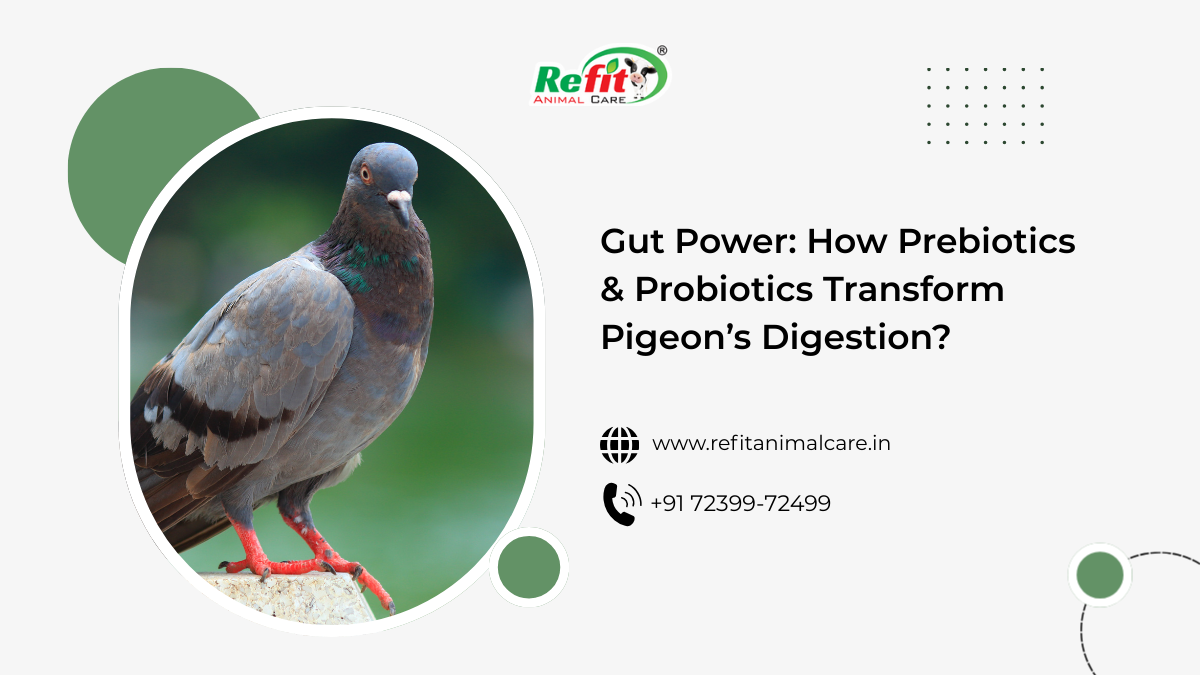
The pigeon’s digestive system is specially adapted for a grain-eating diet and is efficient in processing food quickly. Digestion begins in the beak, where the pigeon picks up food but does not chew it, as pigeons lack teeth.
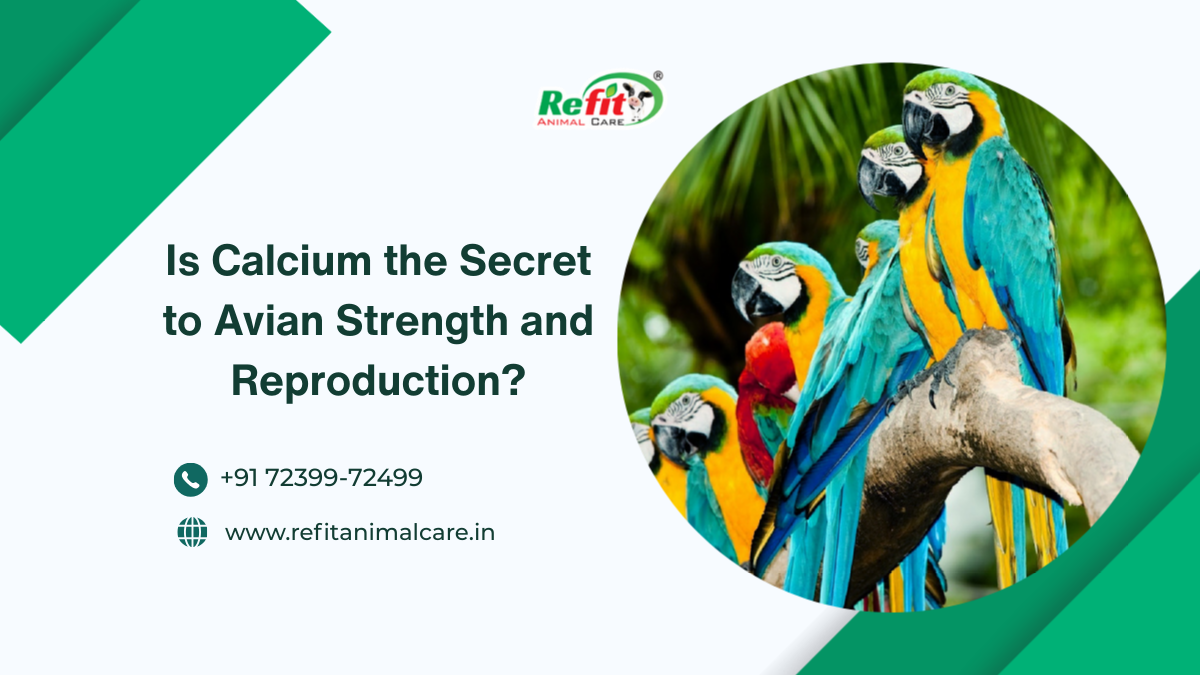
Calcium is essential for birds because it supports several critical physiological functions necessary for their survival and health.

Dairy farmers who depend on milk as their primary source of income constantly look for ways to improve the milk-yielding capacity of their animals.
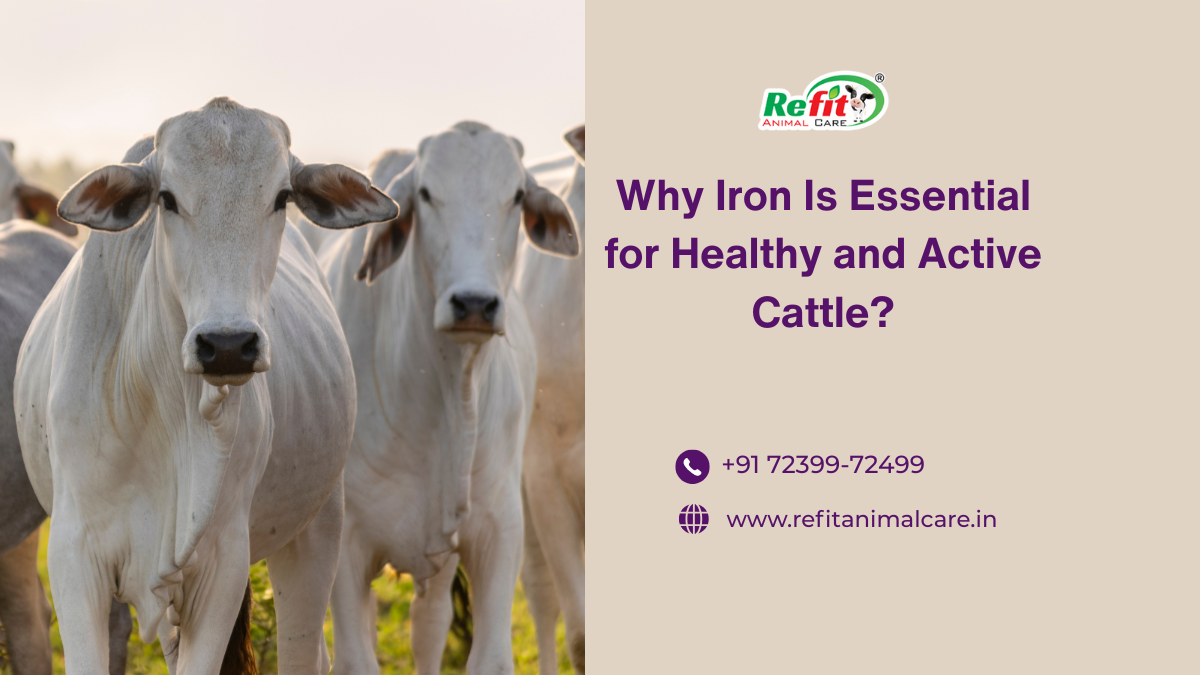
Iron is required by the body in small amounts, but its deficiency can lead to many diseases. Along with manganese, copper, and zinc, iron is an essential trace metal that supports growth, health, and metabolism in animals.

Healthy fish means fish that are low in contaminants (such as mercury) and high in nutrients, maximizing health benefits and minimizing risks. Unhealthy or contaminated fish can be harmful to both children and adults.
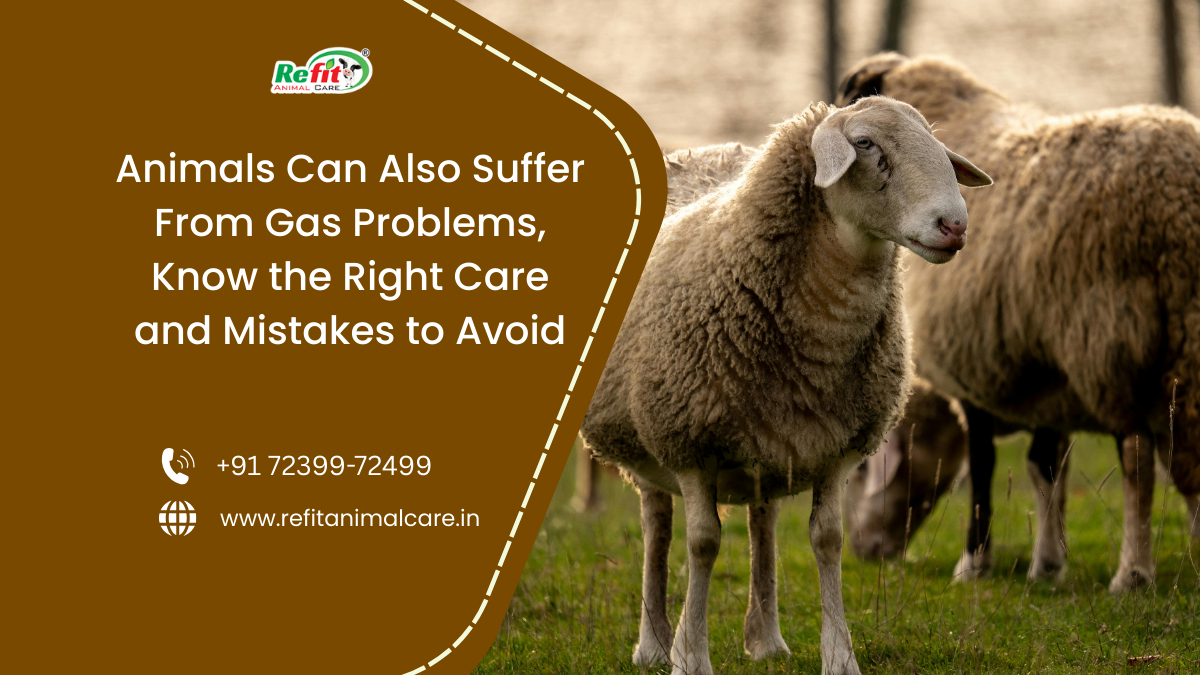
Gas-related disorders, commonly known as tympany or bloat, occur in animals when excessive gas builds up in the rumen and is unable to escape. This condition is most commonly seen in ruminant animals such as cows, buffaloes, sheep, and goats.
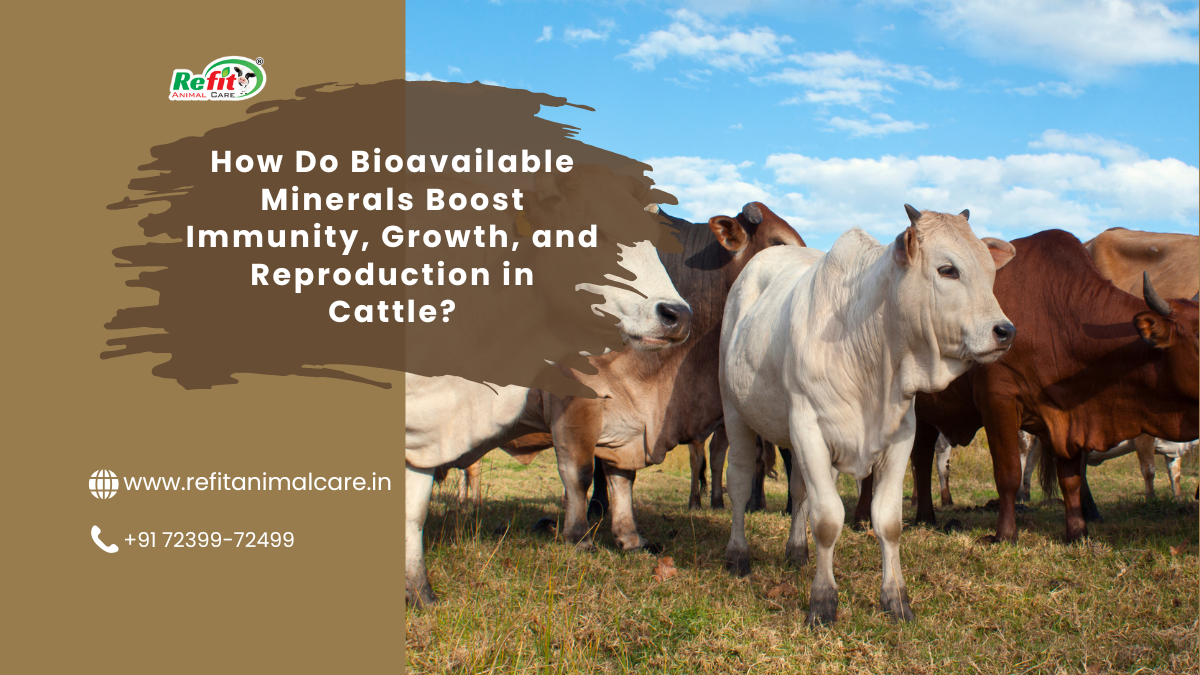
High-bioavailability minerals are more efficiently absorbed and used by cattle, ensuring they gain the maximum nutritional benefit. Because the animals utilize more of the minerals , less is expelled in manure, which can help reduce environmental impact.
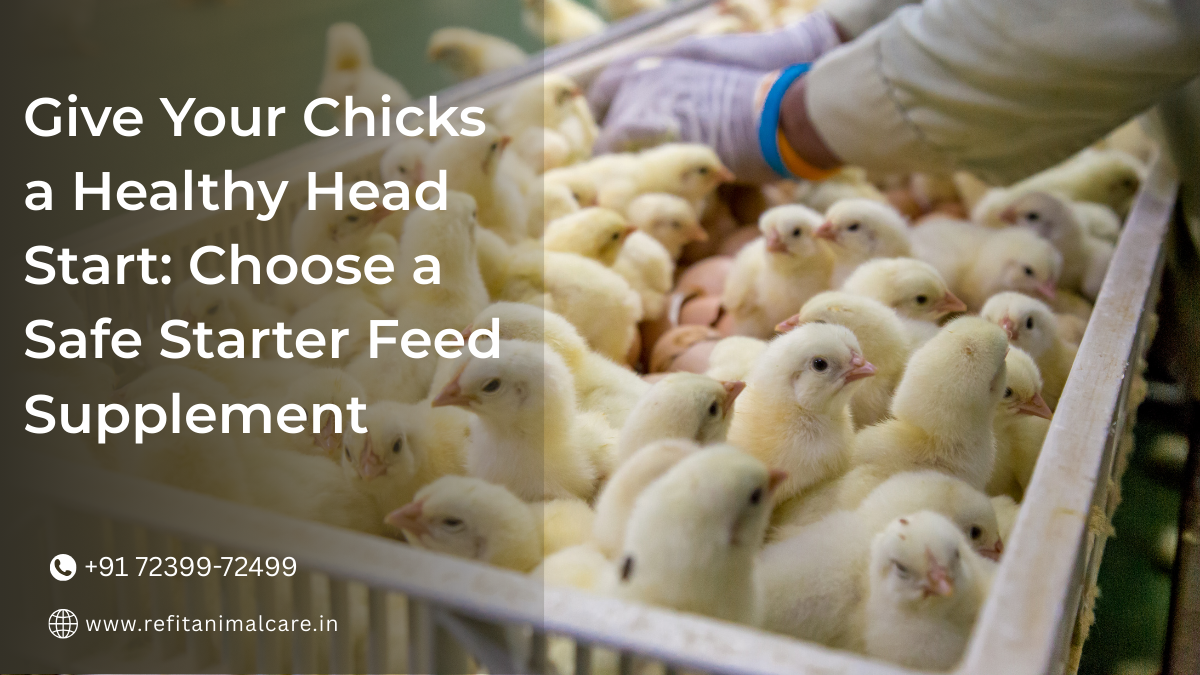
In the poultry business, chick health is one of the most critical factors determining flock performance, production efficiency, and overall profitability. Healthy chicks grow faster, convert feed more efficiently, resist disease better, and have lower mortality. Caring for new chicks in poultry farming is a challenging task.