Healthy fish means fish that are low in contaminants (such as mercury) and high in nutrients, maximizing health benefits and minimizing risks. Unhealthy or contaminated fish can be harmful to both children and adults.
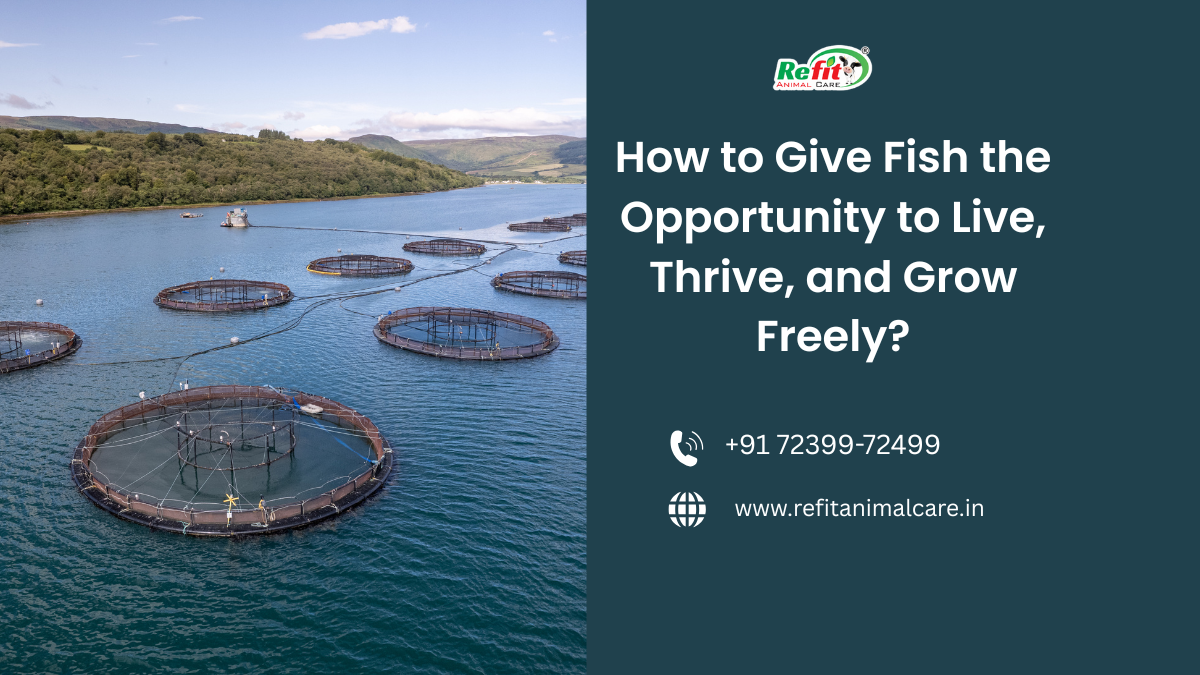
Healthy fish means fish that are low in contaminants (such as mercury) and high in nutrients, maximizing health benefits and minimizing risks. Unhealthy or contaminated fish can be harmful to both children and adults.
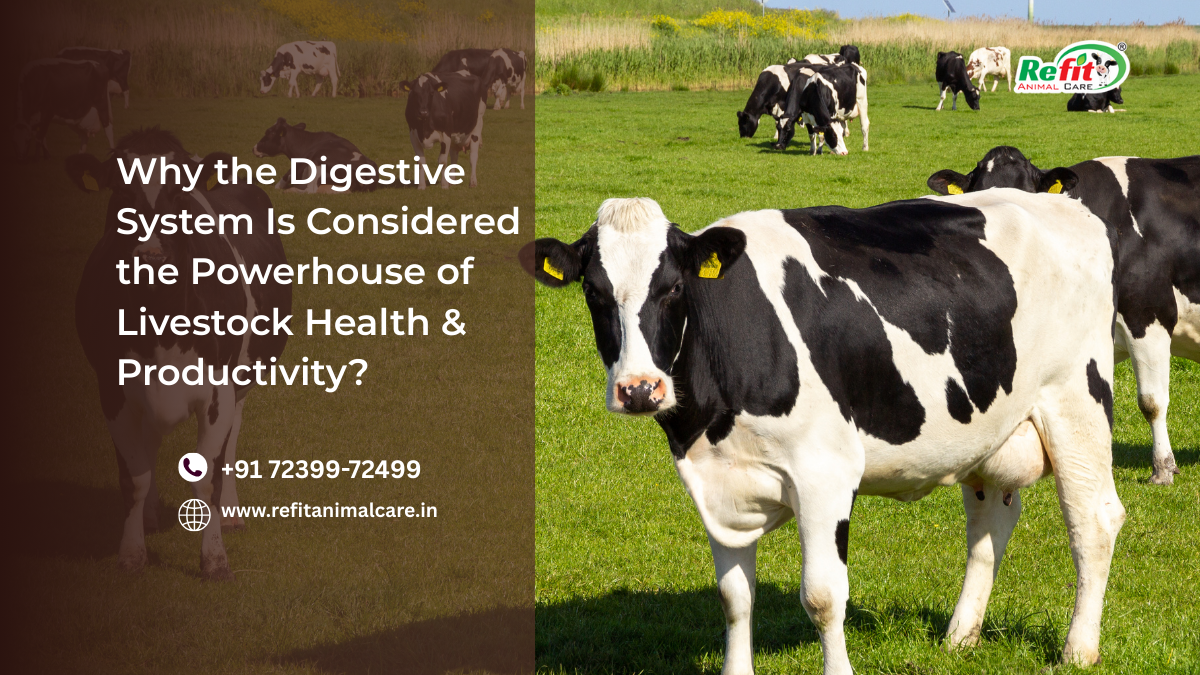
The digestive system of livestock is fundamental to their survival, productivity, and overall health. Different livestock species have specialized digestive systems based on the type of feed they consume. Livestock are mainly divided into two digestive system types: Ruminants vs. Non-Ruminants.
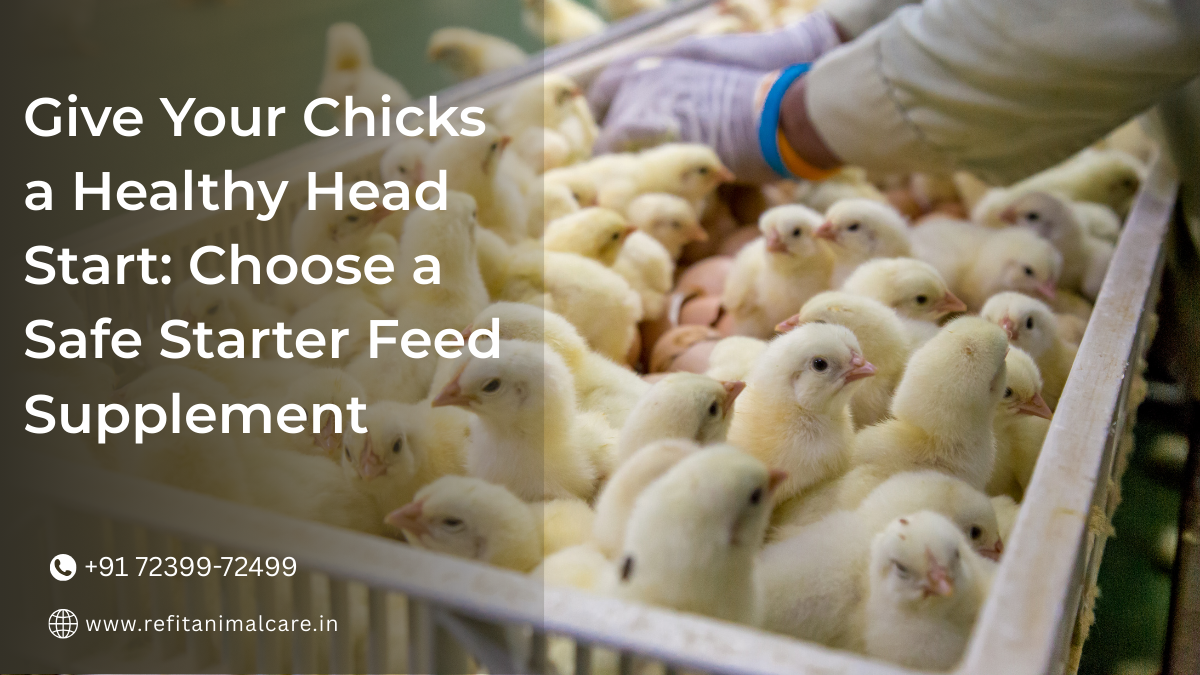
In the poultry business, chick health is one of the most critical factors determining flock performance, production efficiency, and overall profitability. Healthy chicks grow faster, convert feed more efficiently, resist disease better, and have lower mortality. Caring for new chicks in poultry farming is a challenging task.
Calf scours is most often associated with infectious, environmental and nutritional stresses. A number of infections can cause viral and bacterial calf scours. The majority of scours, or diarrhea, cases occur when calves are 3 to 16 days old.