The pigeon’s digestive system is specially adapted for a grain-eating diet and is efficient in processing food quickly. Digestion begins in the beak, where the pigeon picks up food but does not chew it, as pigeons lack teeth.
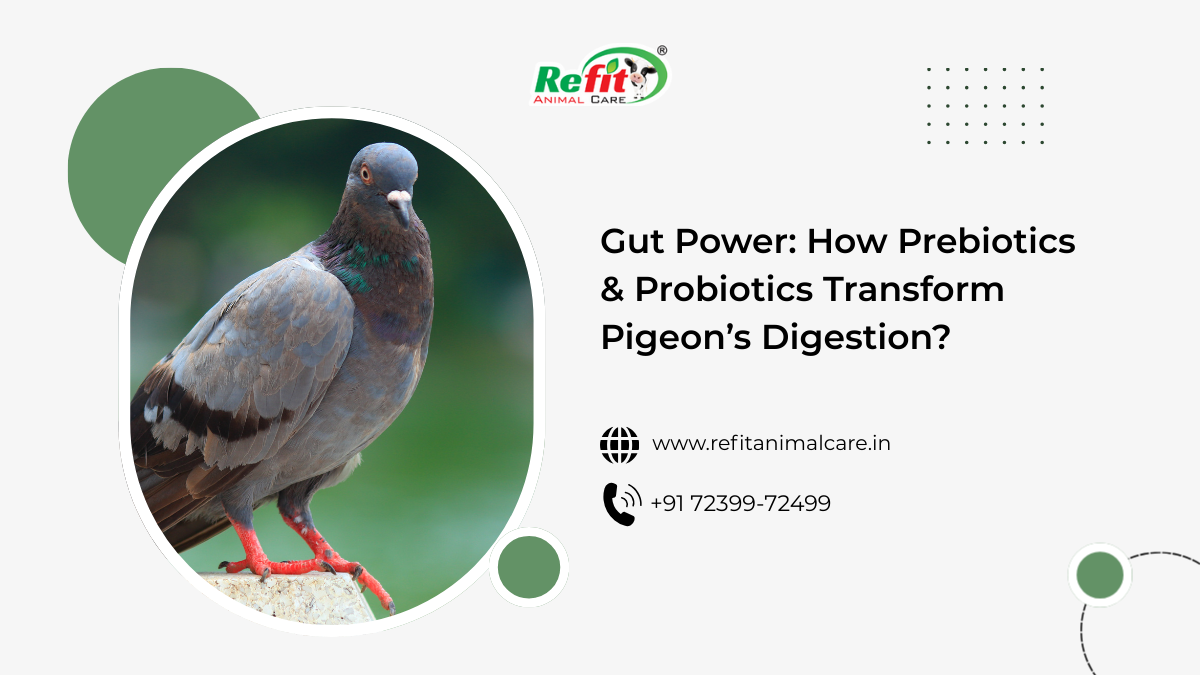
The pigeon’s digestive system is specially adapted for a grain-eating diet and is efficient in processing food quickly. Digestion begins in the beak, where the pigeon picks up food but does not chew it, as pigeons lack teeth.
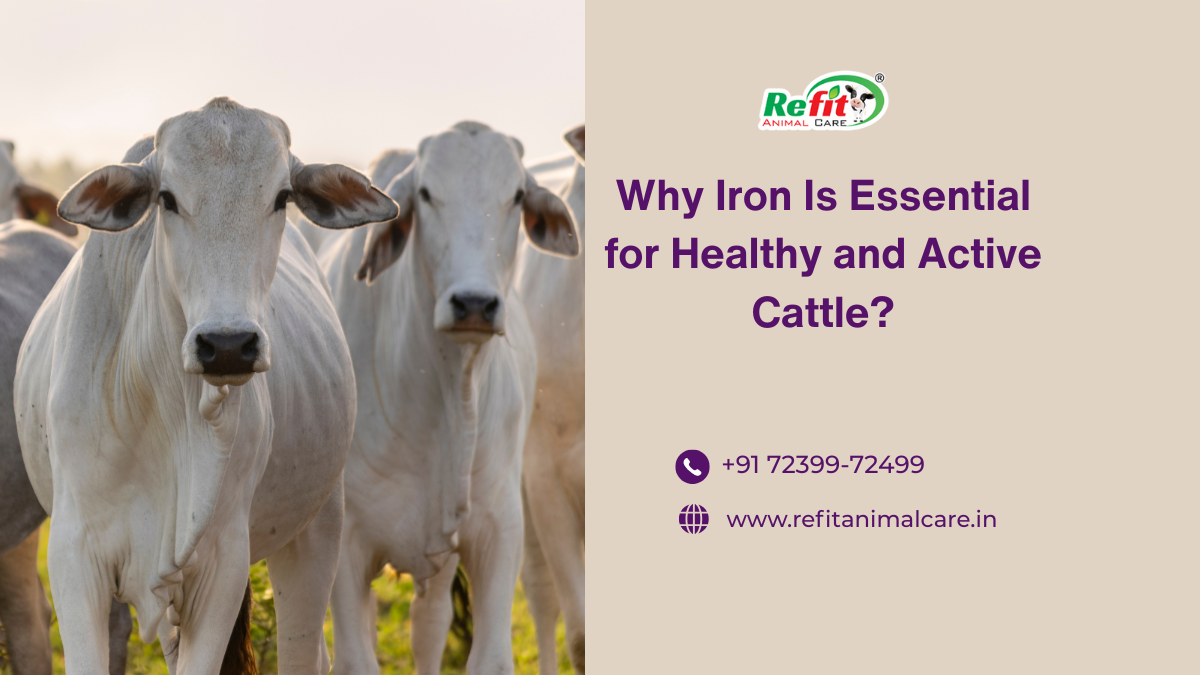
Iron is required by the body in small amounts, but its deficiency can lead to many diseases. Along with manganese, copper, and zinc, iron is an essential trace metal that supports growth, health, and metabolism in animals.
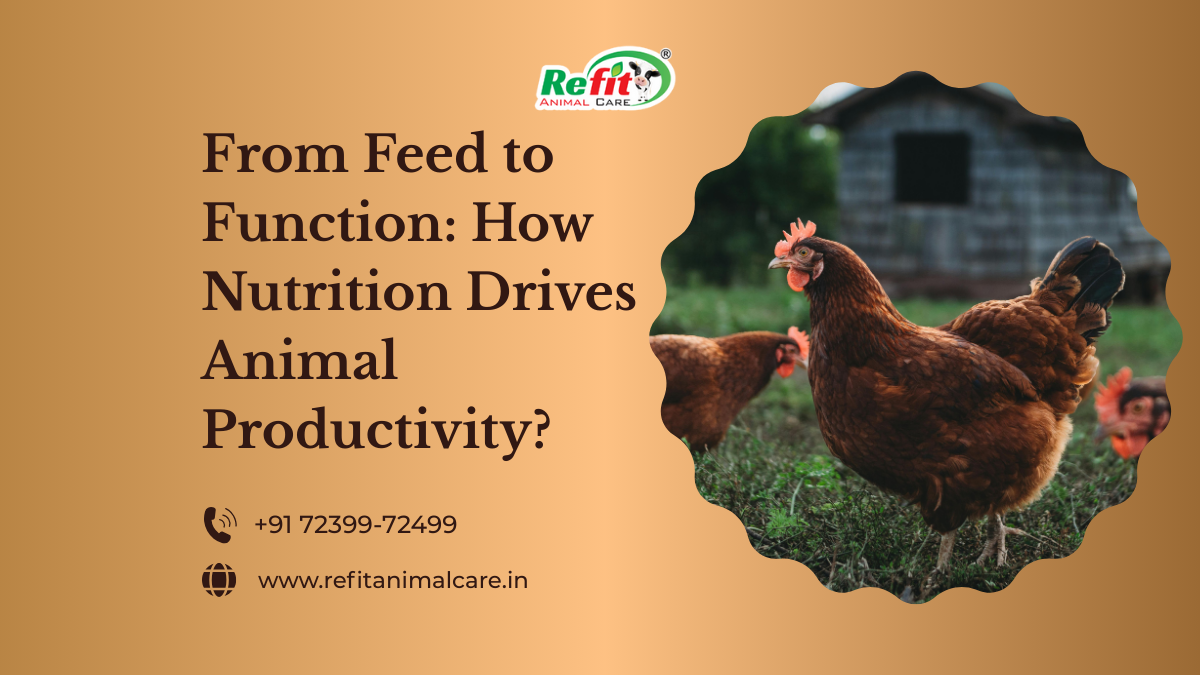
The well-being of an animal is closely linked to its level of productivity. Productivity depends on both genetic capacity and environmental conditions.
Gas-related disorders, commonly known as tympany or bloat, occur in animals when excessive gas builds up in the rumen and is unable to escape. This condition is most commonly seen in ruminant animals such as cows, buffaloes, sheep, and goats.
High-bioavailability minerals are more efficiently absorbed and used by cattle, ensuring they gain the maximum nutritional benefit. Because the animals utilize more of the minerals , less is expelled in manure, which can help reduce environmental impact.
The digestive system of livestock is fundamental to their survival, productivity, and overall health. Different livestock species have specialized digestive systems based on the type of feed they consume. Livestock are mainly divided into two digestive system types: Ruminants vs. Non-Ruminants.
Just as winter can be challenging for humans, with problems like colds, coughs, and fevers, it can also be challenging for chickens. Diseases related to respiratory system weakness can adversely affect chickens’ health and can prove fatal at any moment.
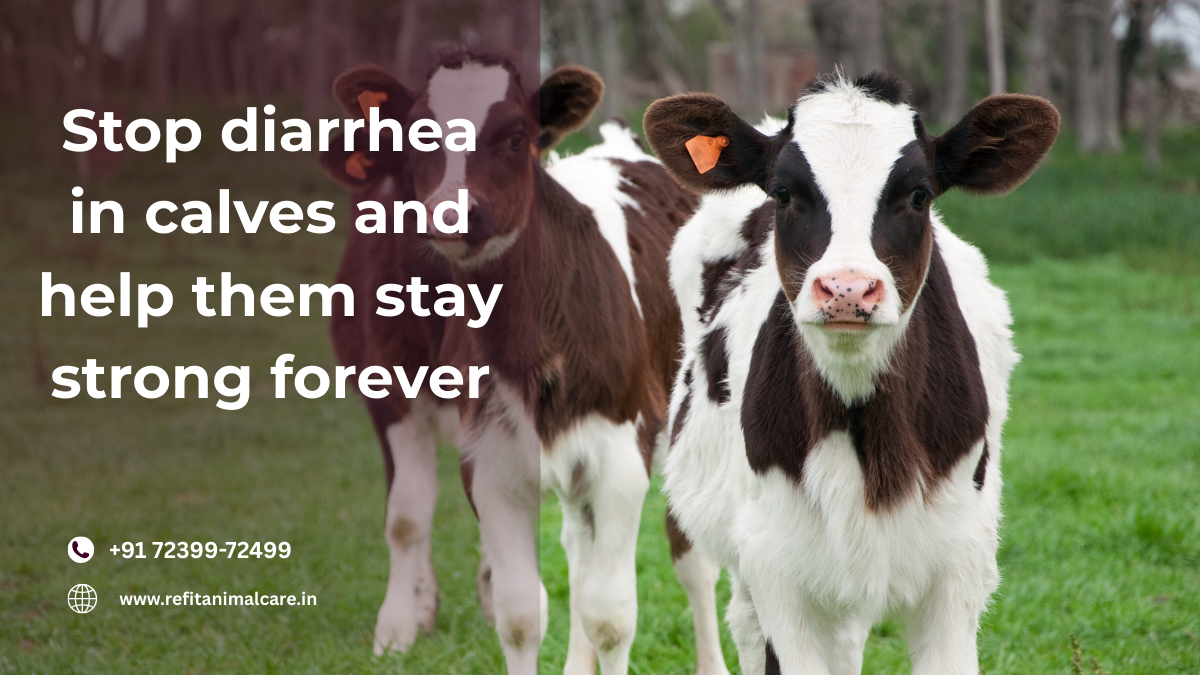
Calf scours is most often associated with infectious, environmental and nutritional stresses. A number of infections can cause viral and bacterial calf scours. The majority of scours, or diarrhea, cases occur when calves are 3 to 16 days old.
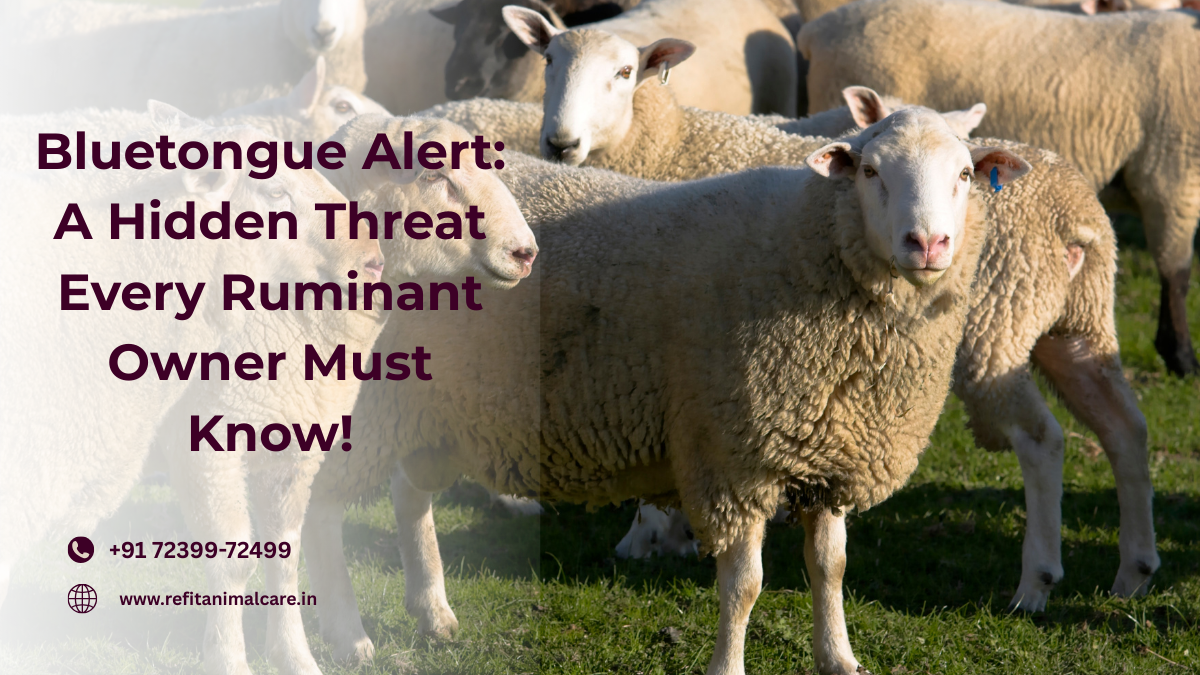
Bluetongue, or Neelarsana (in Hindi), is a fatal disease in animals that causes bluish patches across the entire tongue. This disease, which mostly affects ruminants, such as sheep, goats, buffalo, deer, and camels, is viral and poses no threat to humans.
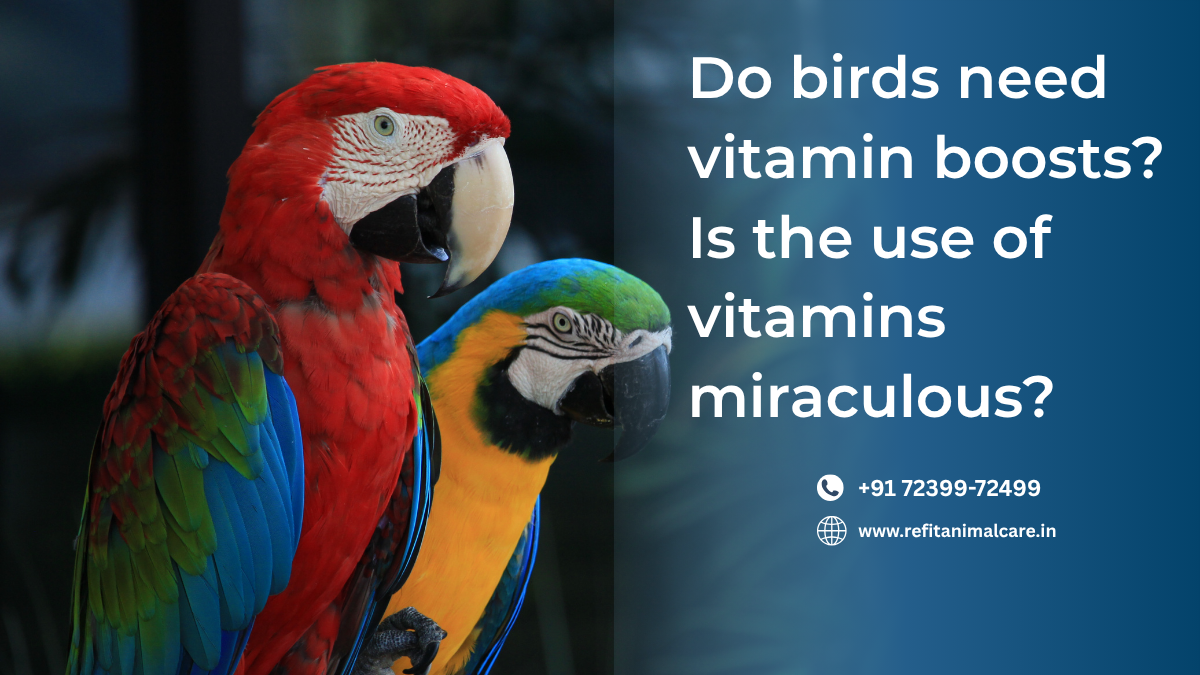
Yes, birds need vitamins too. Vitamins A, D3, E, and B-complex are important for the health of the eyes, feathers, bones, and immune systems. Vitamins are organic substances essential for normal life processes and bodily functions, such as development, growth, maintenance, and reproduction.